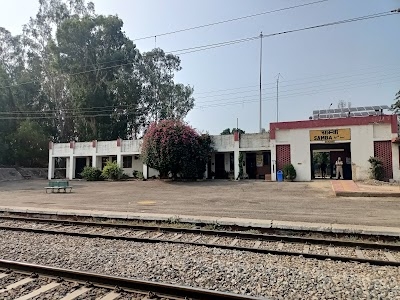
Geographical Location – This is Samba, a district and its administrative headquarters town located in the Indian union territory of Jammu and Kashmir. I see it nestled in the Shivalik Hills, on the banks of the Basantar River. It's a region with a mix of plains and hilly terrain.
Why people come here
History and Culture – People often visit Samba to explore its historical significance, evident in its ancient forts and temples. It’s a place where you can experience the local Dogra culture and witness traditional crafts. Some also come for its developing industrial landscape.
What to expect
Cultural Experience – When you visit Samba, I expect you'll find a relatively peaceful environment with a blend of historical sites and local life. The atmosphere is generally calm, offering a glimpse into the regional heritage and traditions. It's suitable for travelers interested in history, culture, and a quieter pace.
Best time to go
Pleasant Weather – I recommend visiting Samba during the autumn months (September to November) or early spring (February to March). During these periods, the weather is generally pleasant and mild, making it ideal for exploring outdoors. Summers can be hot, and winters are cool.
Practical info
General Guidance – While specific timings for sites may vary, most public and religious places are accessible during daylight hours. It’s always a good idea to check local customs regarding dress code, especially when visiting religious sites. Accessibility within the town is generally straightforward, though some historical sites might involve walking on uneven terrain.
Good to know
Local Specialties – Samba is particularly known for its traditional Calico printing, locally called 'Chitthar', which is a unique textile art form. You might also want to try Patisa, a popular local sweet that the region is famous for.