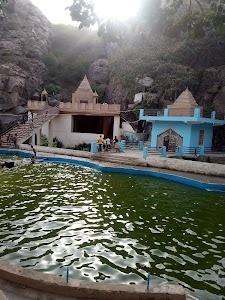
Hindu Temple – I understand this to be a revered Hindu temple, well-known for its connection to a natural spring or 'jharna' (waterfall). It's a significant spiritual site in the area, offering a blend of devotion and natural beauty.
Why people come here
Worship & Reflection – Visitors often come here for worship and to seek blessings from the residing deity. The tranquil environment, coupled with the natural spring, also draws those looking for peaceful reflection and a spiritual retreat away from city life.
What to expect
Serene Atmosphere – You can expect a serene and devotional atmosphere, typically with devotees performing prayers and rituals. The presence of the natural spring adds to the ambiance, creating a refreshing and calm environment, often surrounded by greenery.
Best time to go
Cooler Months – For a more comfortable visit, I suggest considering the cooler months, generally from October to March. Early mornings or late afternoons are usually ideal for experiencing the temple's tranquility and avoiding larger crowds.
Visitor etiquette
Respectful Conduct – When visiting, it's customary to dress modestly, covering shoulders and knees. Please remember to remove your footwear before entering the main temple premises. Maintaining a respectful demeanor and a quiet voice is also appreciated.
Facilities for visitors
Basic Amenities – You'll typically find basic amenities such as parking areas nearby, and sometimes small stalls selling puja items or refreshments. Washroom facilities may be available, though their condition can vary.
Good to know
Sacred Spring – The 'jharna' or natural spring is a central feature, often considered sacred by devotees. It's believed to have purifying qualities, and its presence makes the temple a unique and cherished local landmark.