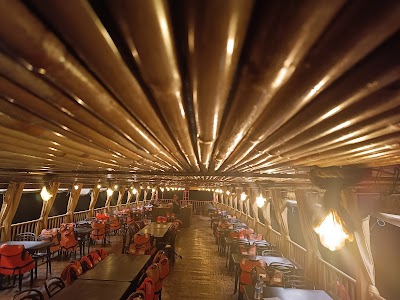
Eco-friendly retreat – This is an eco-friendly resort situated near the scenic Bogibeel Ghat, close to the impressive Bogibeel Bridge . It offers a tranquil escape designed to blend with its natural surroundings, often focusing on sustainable practices and a connection with nature.
Why people come here
Nature immersion – People typically visit here to experience a peaceful stay amidst nature, away from urban hustle. It’s a place for those seeking quiet relaxation, a connection with the riverine environment, and a base to explore the local landscape around the Brahmaputra River.
What to expect
Serene environment – I expect a calm and rustic atmosphere, often with accommodations that reflect local architecture or eco-conscious design. The resort likely provides a quiet setting, potentially with views of the river or surrounding greenery. Crowds are generally minimal, attracting nature lovers and those seeking solitude.
What to do here
Relax and explore – Here, you can enjoy leisurely walks around the resort, observe local flora and fauna, and perhaps engage in activities related to the nearby Brahmaputra River, such as boat rides from Bogibeel Ghat. It’s a good spot for photography, bird watching, or simply unwinding in a natural setting.
Best time to go
Cooler months – The cooler, drier months, typically from October to March, are generally considered the most pleasant for visiting. The weather during this period is more comfortable for outdoor activities and exploring the riverine landscape.
Practical info
Check ahead – As an eco-resort, facilities might be more rustic than luxury hotels. It's always a good idea to check directly with the resort for specific details regarding amenities, meal plans, accessibility, and any particular guidelines for staying in an eco-sensitive area. Accessibility usually involves reaching the Bogibeel Bridge area and then a short distance to the resort.
Good to know
River views – The proximity to Bogibeel Bridge means you might get scenic views of the Brahmaputra River and the bridge itself. The "Kanchenjunga" in the name likely refers to an aspiration or thematic connection rather than direct views of the mountain from this specific location, given its geography in Assam.