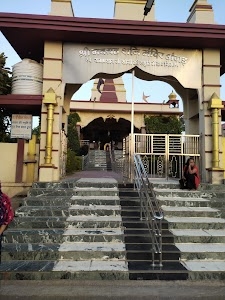
District Overview – Barwani District is located in the southwestern part of Madhya Pradesh , India. It's known for its historical significance, tribal culture, and natural landscapes, particularly the Narmada River flowing through it.
What is this place?
Geographical and Cultural Hub – This is an administrative district that serves as a hub for the surrounding rural areas. It's characterized by its diverse geography, which includes fertile plains along the Narmada and hilly tracts of the Satpura Range . The district has a rich cultural heritage, with a significant tribal population, predominantly the Bhil and Bhilala communities.
Why people come here
History, Nature, and Culture – People visit Barwani District for its historical sites, including ancient temples and forts, which offer glimpses into its past. The natural beauty of the Narmada River and the surrounding hills also draw visitors. Additionally, the district's vibrant tribal culture and local markets provide a unique experience for those interested in indigenous traditions.
What to expect
Rural Charm and Historical Echoes – I expect a blend of rural charm, historical echoes, and natural serenity. The atmosphere is generally calm, with a slower pace of life compared to larger cities. You might encounter local markets bustling with activity and witness traditional tribal customs. It generally suits those interested in history, culture, and exploring off-the-beaten-path destinations.
Best time to go
Winter Months – The best time to visit Barwani District is typically during the winter months, from October to March. The weather during this period is pleasant and conducive for exploring historical sites and natural attractions. The summer months can be quite hot, and the monsoon season brings heavy rainfall, which might hinder travel.
Good to know
Tribal Heritage – Barwani District is particularly known for its tribal heritage. The district is home to a significant population of Bhil and Bhilala tribes, and their culture, art, and traditions are an integral part of the region's identity. Exploring local markets can offer opportunities to see and purchase traditional handicrafts.