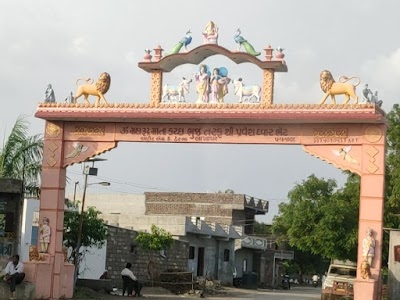
Ancient Site – Lakhapar is an archaeological site located in the Kutch district of Gujarat, India. It is primarily known for its significant megalithic burial grounds, offering a glimpse into ancient human settlements and their funerary practices.
Why people come here:
Historical Insight – People visit Lakhapar to explore its ancient ruins and megalithic structures. It attracts history enthusiasts, archaeologists, and those interested in understanding the prehistoric cultures of the region.
What to expect:
Quiet Exploration – Here, I find you can expect a serene and contemplative atmosphere. It's a place for quiet exploration and reflection, rather than a bustling tourist attraction. The experience is best suited for those with a keen interest in history and archaeology.
Historical background:
Megalithic Origins – My understanding is that Lakhapar holds evidence of human habitation dating back to the Late Harappan period, with its most prominent features being the megalithic burial sites. These stone structures reveal ancient burial rituals and societal organization from millennia ago.
Key highlights:
Stone Structures – The main highlights here are the various megalithic structures, including stone circles, cist burials, and other arrangements of large stones. These provide direct archaeological evidence of the ancient inhabitants' beliefs and engineering capabilities.
Best time to visit:
Cooler Months – I suggest visiting Lakhapar during the cooler months, typically from October to March. The weather during this period is much more pleasant for outdoor exploration, as the Kutch region can experience intense heat otherwise.
Practical info:
Basic Facilities – As an archaeological site, facilities at Lakhapar are generally basic or limited. It's advisable to carry your own water and any other necessities. Access might involve navigating rural roads, so a suitable vehicle is recommended.
Good to know:
Research Value – This site is particularly valuable for academic research and offers a unique perspective on India's prehistoric past. It's a place where you can connect directly with ancient history, away from more crowded tourist destinations.