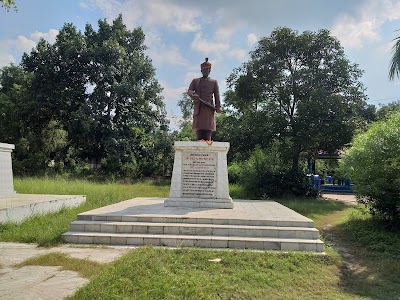
I find Shaheed Sthal Bawan Imlee to be a significant historical memorial located in the Khajuha region of Uttar Pradesh, India. It's a site dedicated to the remembrance of freedom fighters who played a crucial role in India's struggle for independence.
Why people come here
People typically come here to pay respects to the martyrs, learn about a poignant moment in India's history, and reflect on the immense sacrifices made. It serves as a place for historical education and to foster a sense of national pride.
What to expect
When you visit, I expect you'll find a solemn and peaceful environment. The atmosphere is generally quiet and reflective, suitable for contemplation. It's a place that evokes strong emotions due to its profound historical context.
Purpose and significance
I understand that this site holds immense historical significance, particularly related to the First War of Indian Independence in 1857. It commemorates 52 Indian freedom fighters who were tragically hanged from 52 tamarind trees (Bawan Imlee) by the British. This act served as a brutal reprisal, making the site a powerful symbol of sacrifice and resistance.
Visitor conduct and etiquette
Given its nature as a memorial, I recommend approaching Shaheed Sthal Bawan Imlee with reverence and respect. Visitors are generally expected to maintain silence and a solemn demeanor. Photography is usually permitted, but always be mindful of the sanctity of the place.
Practical info
Access to the memorial is generally straightforward in Khajuha. I suggest allowing sufficient time for quiet reflection, perhaps around an hour or so, to fully absorb the site's significance. There are typically no strict entry timings, but daytime visits are advisable.
Good to know
It's helpful to know that the name 'Bawan Imlee' directly translates to '52 Tamarind Trees', which is central to the site's tragic history. This memorial stands as a stark reminder of the cost of freedom and the bravery of those who fought for it.