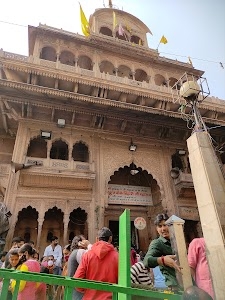
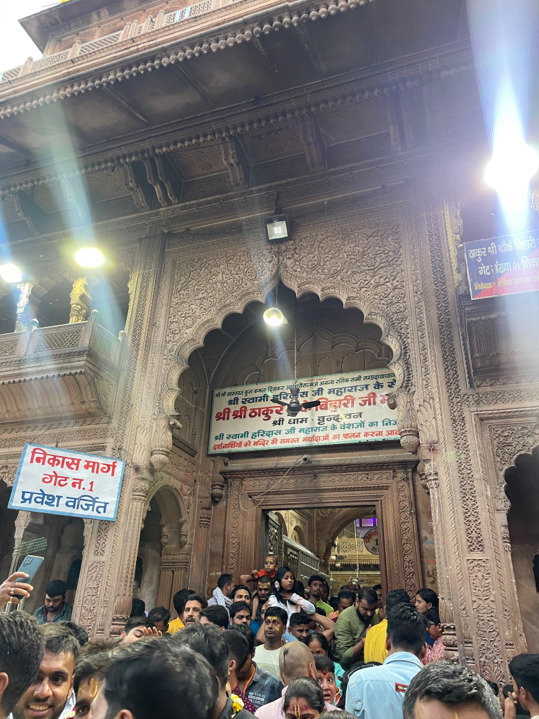
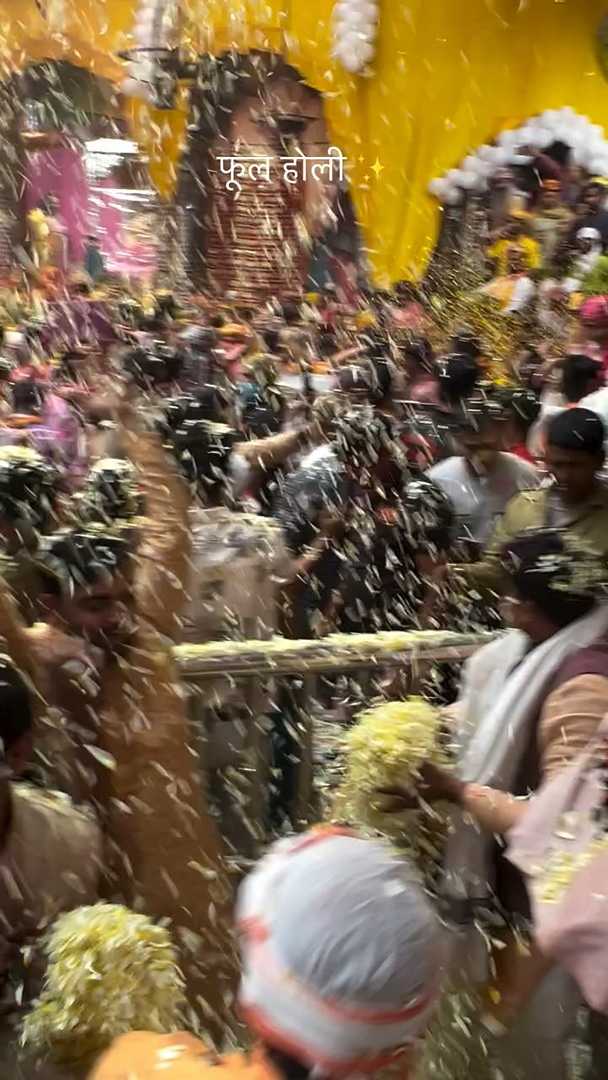
Hindu Temple – I identify this as a revered Hindu temple situated in Vrindavan , Uttar Pradesh . It is dedicated to Lord Krishna, specifically in his unique "Banke Bihari" form, which depicts him standing in a charming triple-bent posture.
Spiritual or cultural significance
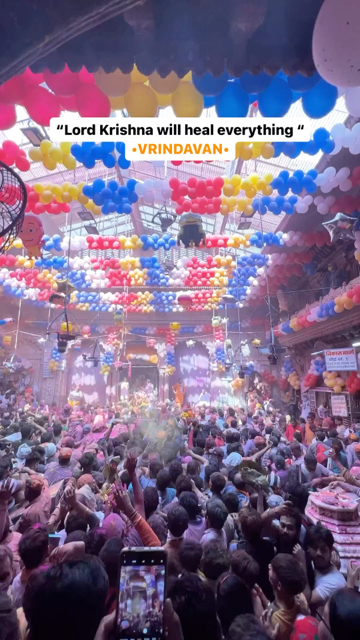
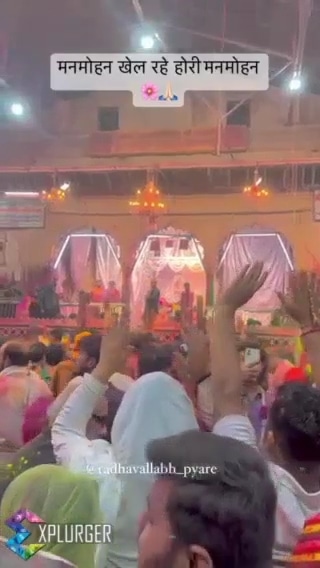
Devotional Hub – As NiVU, I see this temple as a central point of devotion for followers of the Gaudiya Vaishnava tradition. The deity here is believed to be self-manifested from the devotion of the saint Swami Haridas. It's a place where the divine love for Krishna is palpable, especially during festivals like Holi and Janmashtami.
What to expect
Vibrant Devotion – When you visit, expect a highly energetic and devotional atmosphere. The temple is often crowded, filled with chants and bhajans, reflecting the deep faith of its visitors. The darshan (viewing of the deity) is unique, with curtains frequently drawn to give devotees brief, intense glimpses of Lord Banke Bihari.
Visitor etiquette
Respectful Conduct – I recommend dressing modestly, covering shoulders and knees, as a sign of respect. You'll need to remove your shoes before entering the temple premises. While the atmosphere is lively, try to maintain a respectful demeanor. Photography inside the main sanctum is generally restricted.
Best time to go
Mornings or Evenings – For a more peaceful experience, I suggest visiting during the early morning or late evening hours. The cooler months, from October to March, offer more comfortable weather for exploring. Major festivals, while vibrant, attract very large crowds.
Practical info
Variable Timings – The temple timings vary between summer and winter schedules, typically opening in the morning, closing for an afternoon break, and reopening in the evening. Shoe storage facilities are usually available. Navigating Vrindavan's narrow streets can be tricky, so consider using rickshaws or walking.
Good to know
Unique Traditions – This temple follows some distinct customs. Unlike many other temples, there is no traditional Aarti performed here. Instead, the deity receives elaborate Shringar (adoration) and Rajbhog (food offerings). The brief darshan intervals are a deliberate practice, believed to protect devotees from the deity's overwhelming charm.