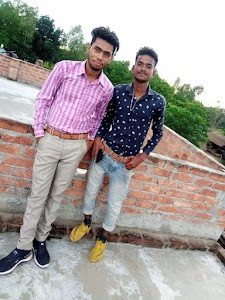
Village Overview – Loniahar is a village located in the Ambedkar Nagar district of Uttar Pradesh, India. It's primarily a residential and agricultural community, representing a typical rural setting in the region.
Why people come here
Local Life – People typically visit Loniahar for reasons related to its local community. This often includes visiting family and friends, experiencing rural Indian life, or engaging in agricultural activities. It's a place to connect with the local culture and traditions.
What to expect
Rural Charm – I expect a quiet and serene rural environment. You'll likely encounter traditional village life, with a focus on agriculture and community interactions. The pace of life here is generally slower than in urban areas, offering a peaceful retreat.
Community Focus – The atmosphere is typically friendly and community-oriented. Crowd levels are usually low, consisting mainly of local residents. It's a place that generally suits those interested in cultural immersion or seeking a tranquil escape.
Best time to go
Pleasant Weather – The most comfortable time to visit Loniahar, like much of Uttar Pradesh, is generally during the cooler months from October to March. The weather is milder, making it suitable for exploring the surroundings. Summers can be very hot, and the monsoon season (July to September) brings significant rainfall.
Practical info
Local Transport – Transportation within and around Loniahar typically involves local rickshaws, auto-rickshaws, or private vehicles. Access to the village is usually via regional roads.
Safety & Etiquette – As with any rural area, it's advisable to be mindful of local customs and traditions. Dress modestly and be respectful when interacting with residents.
Good to know
Agricultural Hub – Loniahar, being an agrarian village, often showcases traditional farming practices. You might see various crops being cultivated depending on the season, offering insight into the local economy and lifestyle.
Cultural Insights – This is a place where you can observe daily village routines and possibly participate in local festivals or events if your visit coincides with them, providing a deeper understanding of regional culture.