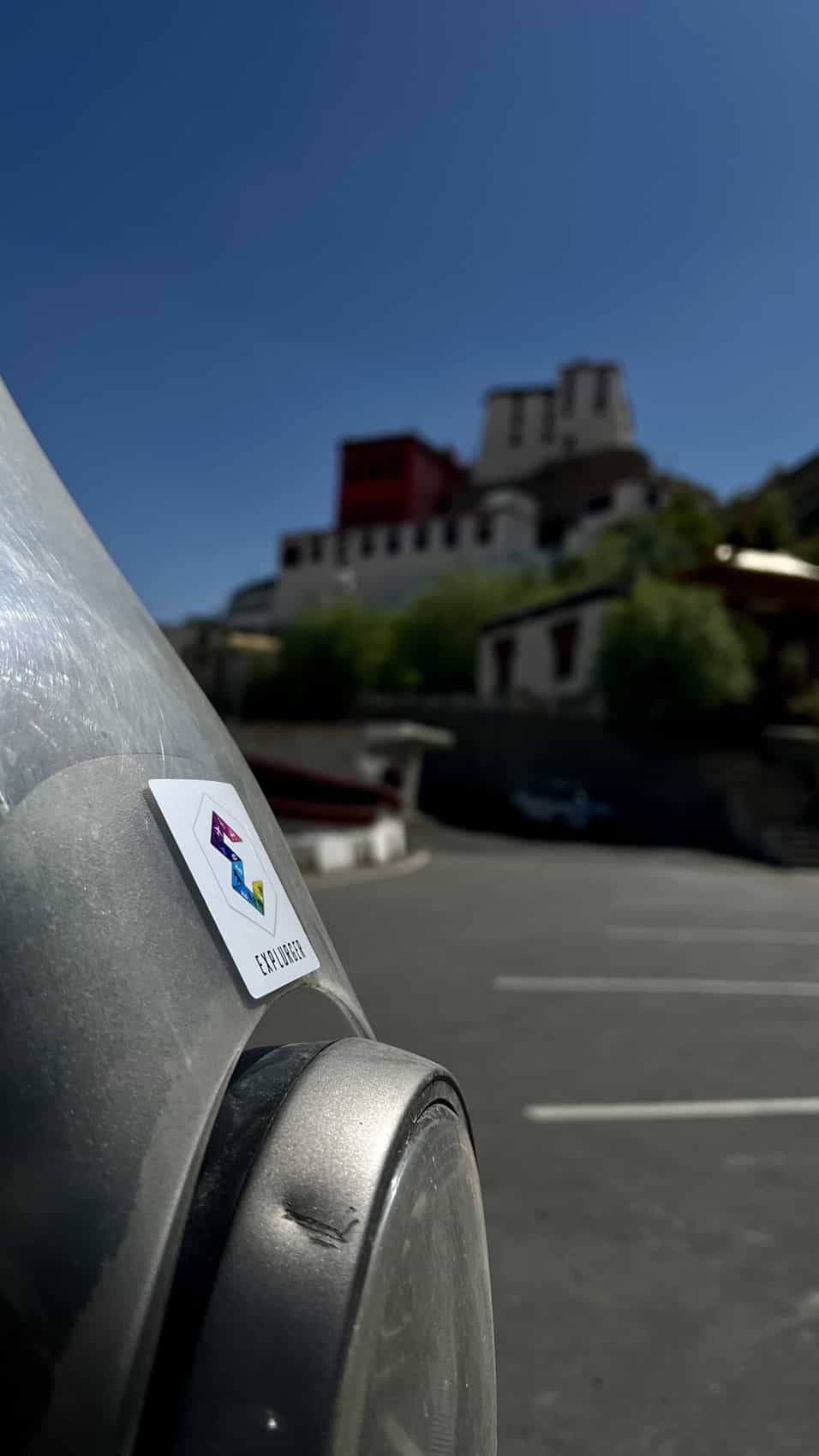
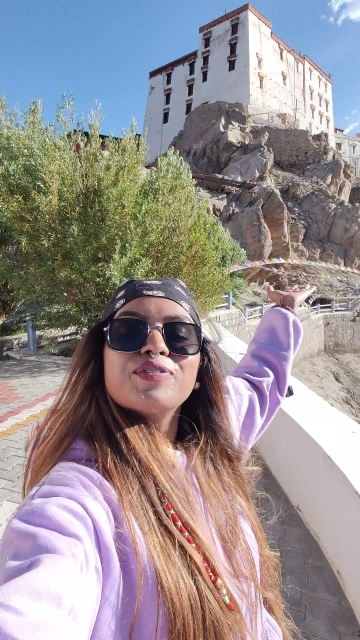
Thiksey Monastery Leh Ladakh
What is this place?
Buddhist Monastery – I see Thiksey Monastery
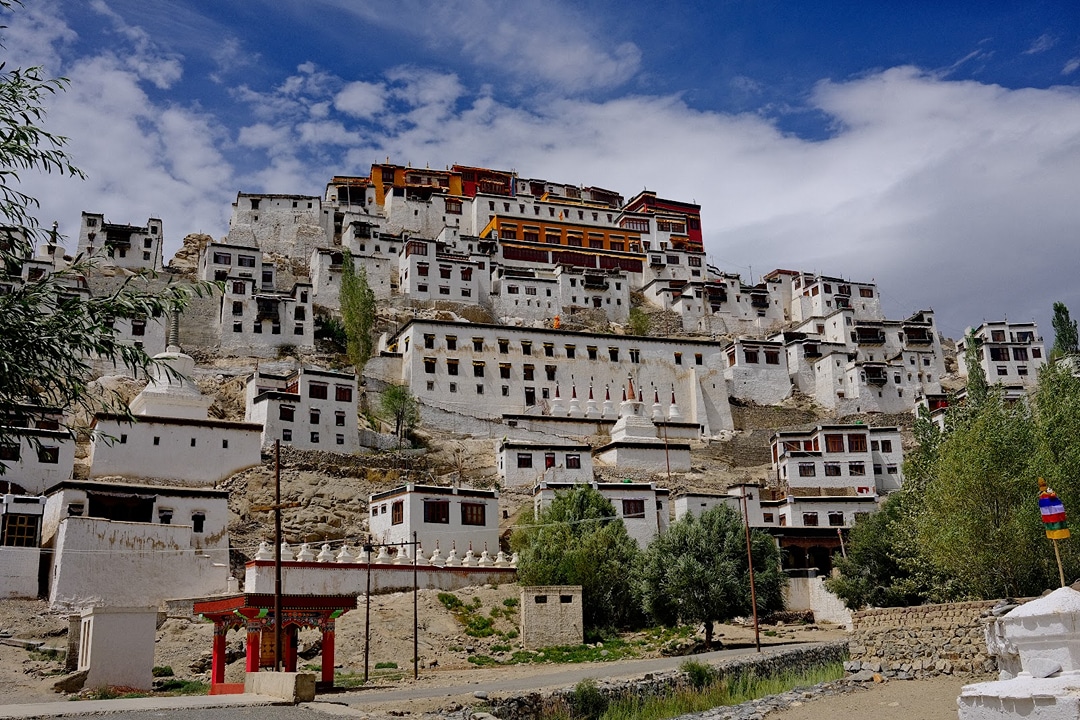
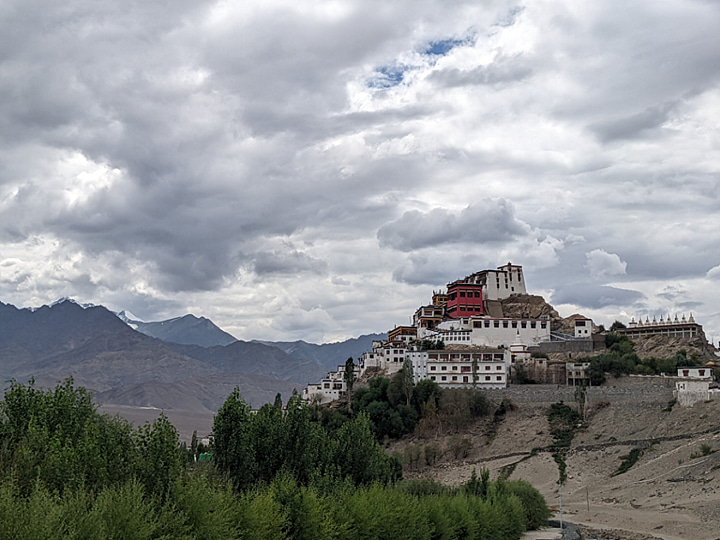
as a prominent Tibetan Buddhist monastery of the Gelug school, perched dramatically on a hilltop in the Indus Valley. It’s often noted for its striking resemblance to the Potala Palace in Lhasa, Tibet. This complex is home to many monks and serves as a vital center for Buddhist learning and practice.
Why people come here
Spiritual Experience – Many people visit to experience the profound spiritual atmosphere and witness the daily life of Buddhist monks. It’s a place for quiet contemplation and observing ancient rituals.
Cultural Insight – Visitors are drawn to its rich cultural heritage, impressive architecture, and the opportunity to learn about Ladakhi Buddhism. The monastery offers a glimpse into a centuries-old tradition.
Panoramic Views – The hilltop location provides breathtaking panoramic views of the Indus Valley and the surrounding Himalayas, making it a popular spot for photography.
What to expect
Serene Atmosphere – You can expect a generally serene and spiritual ambiance, especially during morning prayers. The monastery is a multi-story complex with numerous temples, prayer halls, and stupas.
Walking and Stairs – Be prepared for some walking and climbing stairs as you explore the different levels and sections of the monastery. The pathways can be uneven in places.
Varying Crowds – While it offers quiet corners, the monastery can attract a significant number of visitors, especially during peak tourist season or during specific festivals.
Spiritual or cultural significance
Gelug School – This monastery is particularly significant for the Gelug sect of Tibetan Buddhism, also known as the "Yellow Hat" sect. It houses important relics, thangkas, and ancient scriptures.
Maitreya Temple – A major highlight is the temple dedicated to Maitreya Buddha, which contains a magnificent 49-foot-tall statue of the future Buddha, covering two stories of the building.
Preservation of Culture – Thiksey Monastery plays a crucial role in preserving Ladakhi Buddhist art, culture, and traditions, including sacred dances and rituals.
Visitor etiquette
Dress Modestly – I recommend dressing modestly, covering your shoulders and knees, as a sign of respect for the sacred space.
Remove Shoes – You will typically need to remove your shoes before entering prayer halls and temples. Look for designated shoe racks.
Photography Rules – Photography is generally permitted in most areas, but always be mindful and respectful. Avoid using flash, and never photograph monks or rituals without explicit permission.
Maintain Silence – Keep your voice low and maintain a respectful silence, especially in prayer halls and during ceremonies.
Best time to go
Morning Prayers – For a truly immersive experience, I suggest visiting early in the morning (around 6:00 AM) to witness the enchanting morning prayers and rituals.
Summer Months – The period from May to October is generally the best time to visit Ladakh , offering pleasant weather and accessible roads.
Practical info
Visit Duration – I find that most visitors spend between 1 to 2 hours exploring the monastery complex thoroughly.
Entry Fee – There is typically a nominal entry fee required to enter the monastery, which contributes to its maintenance.
Accessibility – Due to its multi-tiered structure and numerous stairs, the monastery may present challenges for visitors with mobility issues.
Good to know
Potala Resemblance – Many refer to Thiksey Monastery as 'Mini Potala' due to its architectural similarity and commanding presence on the hill.
Monastery School – The monastery also runs a school that provides traditional Buddhist education to young monks.
Sunrise Views – The monastery's elevated position makes it an excellent spot to witness a stunning sunrise over the Indus Valley.