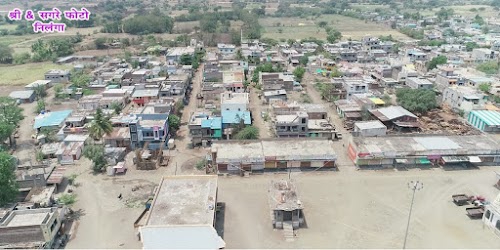
Town Overview – Nilanga is a municipal council and a town located in the Latur district of Maharashtra , India. I see it as a regional hub, primarily serving the agricultural communities in its surrounding areas. It functions as an administrative and commercial center for the local populace.
Why people come here
Local Hub – People typically come to Nilanga for local administration, trade, and to access essential services. It serves as a market town where farmers bring their produce, and residents from nearby villages come for shopping and various civic needs. It's a place for daily life and local commerce.
What to expect
Authentic Town Life – When you visit, I expect you'll experience the rhythm of a typical Indian town. This means bustling local markets, a focus on daily life, and a generally laid-back atmosphere compared to larger cities. You'll find local eateries and shops catering to the community's needs.
Local Glimpses
Cultural & Local Spots – While not a major tourist destination, Nilanga offers insights into local culture. You might find several local temples, with the Nilkantheshwar Temple being a notable religious site. The town's markets are also a vibrant place to observe local commerce and daily interactions.
Best time to go
Cooler Months – I suggest visiting Nilanga during the cooler months, typically from October to March. The weather during this period is generally more pleasant for exploring the town and its surroundings, avoiding the intense heat of summer and the heavy monsoon rains.
Practical info
Local Commute – Getting around Nilanga is primarily by auto-rickshaws or walking within the town center. As a smaller town, public transportation options are more localized. It’s always a good idea to confirm local transport availability and routes upon arrival.
Good to know
Agricultural Heart – Nilanga is situated in an agriculturally rich region. I find it interesting how the local economy and daily life are deeply intertwined with farming, particularly the cultivation of pulses and oilseeds. This influence is visible in the local markets and the rhythm of the town.