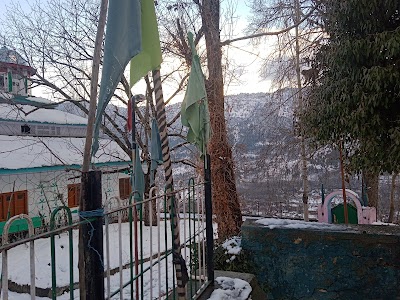
Mosque and Shrine – This is a prominent religious complex, combining a central grand mosque (Jamia Masjid) with a revered shrine (Zayarat Sharif). It serves as a significant spiritual landmark for the local community and visitors.
Spiritual or cultural significance
Spiritual Hub – As a Jamia Masjid, it is a central place for congregational prayers, especially Friday sermons. The Zayarat Sharif aspect indicates it is also a shrine, likely associated with a revered Sufi saint, making it a site for pilgrimage, reflection, and seeking blessings. It holds deep cultural and spiritual importance, fostering community gatherings and religious education.
Why people come here
Worship and Reflection – People typically visit for daily prayers, special religious observances, and community events. Many also come to pay homage at the shrine, seeking spiritual solace, offering supplications, and connecting with the revered personality associated with the Zayarat Sharif.
What to expect
Peaceful Devotion – You can expect a serene and devout atmosphere, particularly during prayer times. The complex often hosts a diverse crowd of worshippers and pilgrims. It is a place for quiet contemplation and communal worship, reflecting the spiritual traditions it upholds.
Visitor etiquette
Respectful Conduct – When visiting, it is important to dress modestly, covering your head (for women) and ensuring shoulders and knees are covered. Maintaining a respectful demeanor, speaking softly, and observing silence in designated areas is appreciated. Photography might be restricted in certain parts of the shrine or during prayer times, so it's always good to observe local customs or look for signs.
Practical info
Open Hours – The mosque is generally open from dawn till late evening for prayers. While specific timings for the Zayarat Sharif might vary, it is typically accessible during daylight hours. A visit can range from a short prayer to a longer period of reflection, depending on individual preference.
Good to know
Community Heart – This site often acts as a focal point for the local community, not just for religious services but also for social and educational activities. It's a place where local traditions and hospitality are often evident.